
“I’ve seen pretty people disappear like smoke. Friends will arrive; friends will disappear.” Bob Dylan, “Buckets of Rain” from the “Blood On The Tracks” album
 I’ve written before about the sudden revelation that broke in on me when I was rocking, singing, and reading to our kids getting ready for bedtime many years ago. I realized with a jolt that there would be a last time that I would share this intimate, precious time, and I would not know when it was while it was happening.[i] In another post, I wrote about our many Maine times, our decade living there and the forty years of summer visits since, mostly on Webb Lake in Weld[ii]. Again, it struck me that there will be a last visit, and it is unlikely I will know that while we are there.[iii]
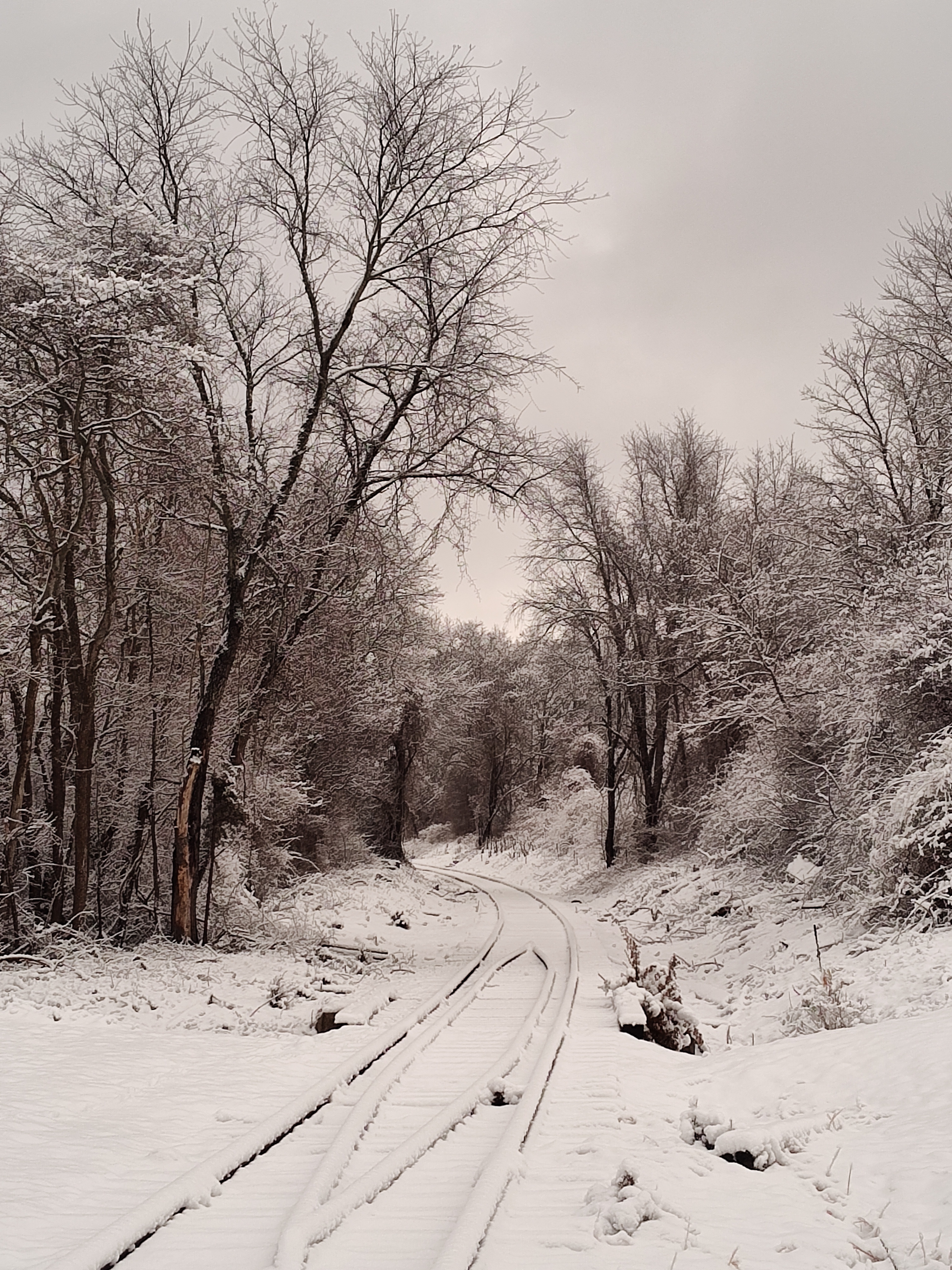
Nostalgia for me tends to peak around the turn of the year in the stillness of winter, and this year is no exception. The similarity of other events and even other relationships to reading to our children or the still ongoing summer idylls in Maine is inescapable. Those undetected last times occur and have occurred with friends and family too. We have all experienced similar ‘last time’ visits with those we care about. They don’t come with notices or calendar reminders. They come and they go and rarely do they announce themselves. Last time visits are seldom perceived in real time except in retrospect. People move away great distances. We lose track or we move. Jobs change. Relationships suffer neglect and fade away. Sometimes years afterwards, unfortunately, they are only acknowledged in our reminiscence at a funeral. Too late to do anything differently than we did. Or didn’t do.
I’ve come to understand that our lives pass by often in fragments as a mosaic rather than a perfectly scripted narrative with a well-defined beginning, middle, and end like a Hallmark movie. Development of the story is inadequate, and the denouement is without the satisfaction of a happy or even recognizable ending. Not to be morose, but I see this not so much as a heartbreaking breakdown like a sad country song, but more like an invitation to do better. To be better.
“Donde no hay amor, pon amor, y sacarás amor.”
Where there is no love, put love—and you will draw out love.
Saint John of the Cross, Sayings of Light and Love
Last weekend we were eating at our favorite breakfast joint. We are not fine dining gourmands; we are breakfast joint folks. Have been all our lives.[iv] The waitress welcomes us with strong fresh coffee in solid mugs (tea for Rita) as soon as we are seated – diner coffee, no baristas or expensive, complicated options needed – a bottomless cup for under three bucks. She circulates among her tables from time to time with a fresh pot and refills the mugs.
She starts scribbling our order on her pad before we have our coats off or said more than good morning. Our order rarely varies; she looks from one to the other of us and tells us what she knows we’ll order. They can carry six plates at once and the food comes hot off the grille, rarely taking more than five or ten minutes. She never annoys us or hovers and asks how everything is so we’re coerced into mumbling an awkward response with mouths full of eggs, home fries, or blueberry pancakes There are advantages to being a regular. We know all the waitresses in the place. And the cook. We have a nodding smile acquaintance with other regulars.
After she confirmed our order, last week she asked a shy question. If you are breakfast diner regulars, you know that breakfast diner waitresses are not shy. They give as good as they get to the patrons at the counter and the tables. Lighthearted familiar repartee with shared laughter is the point. Last weekend, though, she leaned over and said very quietly, “You are ‘prayer people,’ right?” The topic had never come up, nor did I think we were particularly obvious about it. I replied that we were such people. Or tried to be. She said, “I’m worried about my daughter. Can you say a prayer for her this morning?” She told us the situation, which was temporary, but concerning. Of course, we replied in tandem. This week she thanked us as soon as we walked in and told us all went well.
It may be that we are offered a dozen opportunities a day, heavenly invitations that we miss. But this one was overt. Every day we have opportunities to love, to connect, to be open, to listen. And every day we are too busy or distracted or self-occupied to notice them. Invitations come from family. From friends. From colleagues at work or social organizations. From casual acquaintances. From waitresses. From strangers.
The loneliness and alienation of our culture is legend. The richest country in the world, maybe ever, and instantly connected to everyone, everywhere, and yet we are isolated. Starting most especially with young people who grew up never too far from a screen, usually in their pockets.
Our connections are digital, not analog – false touchpoints without touch. Not only our connections with other human beings, but too often our connections to natural things, wild things, untamed things – they too are screened through our screens, removed from anything real and focused and present.
We are products and consumers of the Machine[v] we have created and named Progress. We are trained to be consumers, programmed to be consumers. It’s what keeps the Machine oiled and running smoothly. We mine for “likes” and approval to prove to ourselves that we exist. The Machine feeds us exactly what we want to hear, and we dutifully ensconce ourselves in our silos and lap it up. We have become a voracious appetite doomed to never be satiated. Then we wonder why we are lonely, depressed, suspicious, and resentful.
We all know what the solutions are to our festering isolation, yet echoing St. Paul, we don’t do them. We revert to our screens, our non-threatening disconnected connections because connections with real things, real people get messy and uncomfortable. Woods trails are muddy with roots and rocks and hidden obstacles. Other human beings impinge; they may ask of us who knows what. We know that a walk in the nearby woods or fields or on the beach is what will begin to heal us. We know that a live open ended conversation with another person will begin to heal us. We know that reaching out with a simple act of kindness and love will begin to heal us. But we are tired. We are distracted. We are busy. We are afraid. The screens beckon.
“In Louisville, at the corner of Fourth and Walnut, in the center of the shopping district, I was suddenly overwhelmed with the realization that I loved all those people, that they were mine and I theirs, that we could not be alien to one another even though we were total strangers.
It was like waking from a dream of separateness, of spurious self-isolation in a special world, the world of renunciation and supposed holiness.
This sense of liberation from an illusory difference was such a relief and such a joy to me that I almost laughed out loud.
I have the immense joy of being man, a member of a race in which God Himself became incarnate.
There is no way of telling people that they are all walking around shining like the sun.”
Thomas Merton, “Conjectures of a Guilty Bystander” (1966)
[i] Rockee Sing, Dad, Do Rockee Sing
[iii] Both posts cited above in the endnotes are included in the book published in December, “Shelter In The Storm,” available on Amazon. Written around the themes of the mosaic of our past, the people and places that inhabit our lives, and our faith is Someone greater than ourselves. Get the book. Give it a good review if you’d be so kind. They help in prioritizing searches for others.
[iv] Here’s one old post, but there are others. Diner. Didn’t make the cut for the themes of the book. Maybe the next one?
[v] A book well worth your time from last year. Against the Machine, On the Unmaking of Humanity, Paul Kingsnorth. Get a copy. Read it. It will change your paradigm.


 Quo Vadis Blog