
“I woke up still not dead again today
The internet said I had passed away
If I died I wasn’t dead to stay
And I woke up still not dead again today.” Willie Nelson, “Still Not Dead Today”
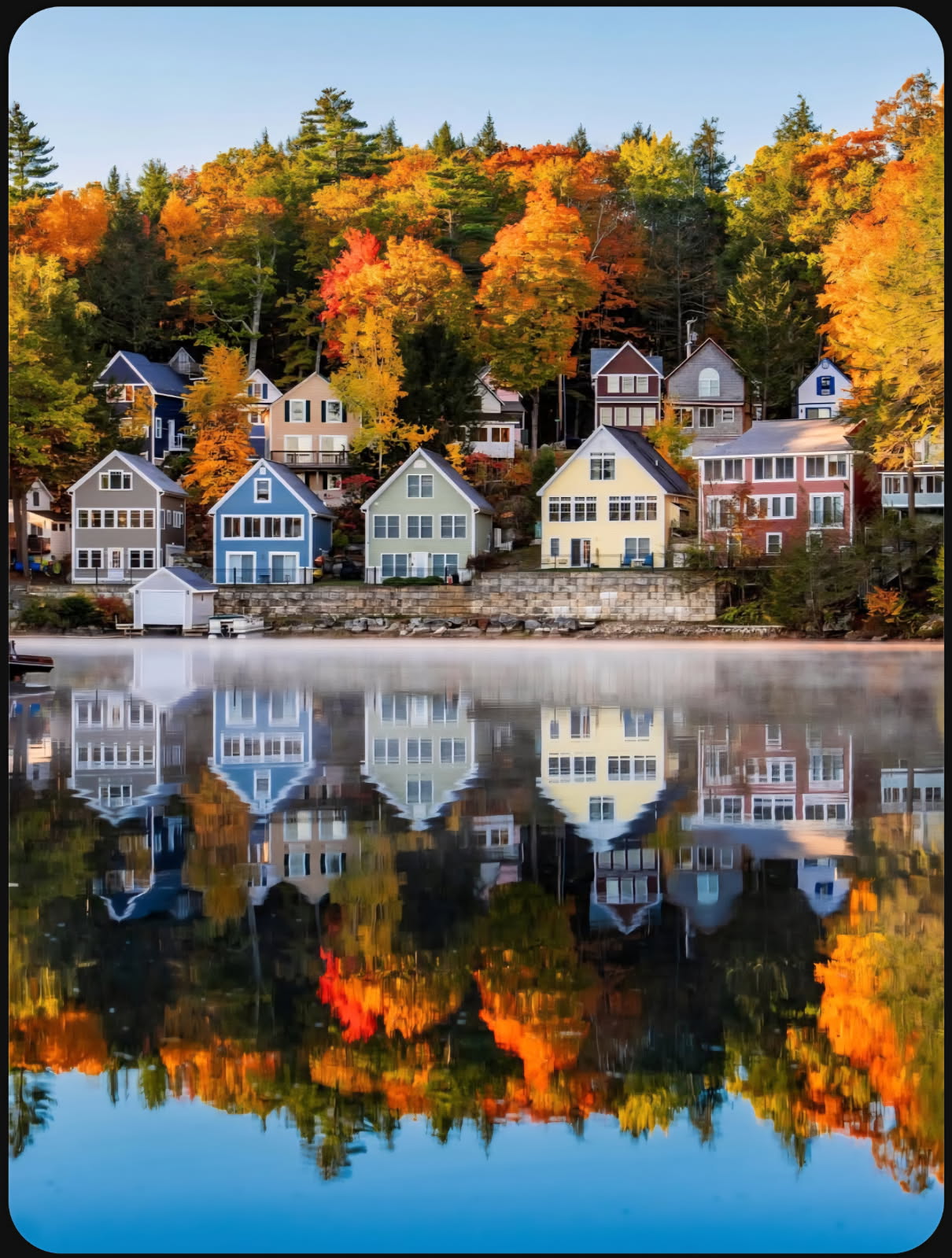
As most readers know, I am permanently self-assigned to New England on the Rhode Island coast. We have even bought our last tiny piece of land here about three miles away up a hill with a distant view of Narragansett Bay and the Newport Bridge. It features a small granite marker with our names already engraved on it. My brother Barry lives in a picture perfect New Hampshire small town in a century old classic home with woodwork anyone would be hard pressed to duplicate. He sent along a picture this week on our (one of our many) family text chains. Nothing I could say would make it more stunning, and it needs no explanation. The New England woods are dying again.
Every year they die like this, and it’s beautiful. Without this annual death, there would not follow the long cold meditative winter break of skeletal black branches against clear blue winter skies, branches frozen and still, occasionally decorated with glistening ice and snow decked. Spare, detailed, still, they sometimes gently stir in numbing breezes and creak. From large limbs to exquisite tiny twigs with dormant buds, they await a vernal signal as the days once more begin to lengthen and the warming sun ascends once again higher. Without this annual death, there could be no spring, no explosion of new life and fragile green and blooms of every size and color parading across the warm months from cherries to summer hydrangeas and late Montauk daisies.
Why dying is brilliant with gold, amber, rust, blood red sugar maples, and the burnished crimson of the late oaks is a mystery, as all things transcendent are beautiful and mysterious. Sugar maples are my favorite: a spectacle of color. Sugar maples are a singular miracle. Nicknamed “rock maple,” when they reach the end of their life cycles, they produce superior firewood; although hard like their nickname, they split easily for most cut pieces (although not all) along grain lines as if planned for the woodstove. Earlier, the boards cut from them have signature grain and were once considered fit for the finest of floors. Even their little samara fruit helicopter in the wind as they fall to seed. Kids and those aspiring to be kids call them ‘nose things’ because broken into both halves and spread open, they are sticky enough to decorate the most boring of noses.
When we lived in Maine, there were four such exquisite creatures along our driveway. Our neighbor Sonny was a fourth generation Mainer and had Maine skills. He would tap our maples with the old school buckets and spiles and cook down the sap in his woodfired sugar shack furnace in his backyard. For our donation, we would benefit with a quart of amber sweet syrup to perfect many breakfasts of blueberry pancakes. Then there were maple syrup snow cones scooped from fresh fallen fluff with syrup poured on it just for pleasure. How the kids, and all of us loved that treasure in our mittens.
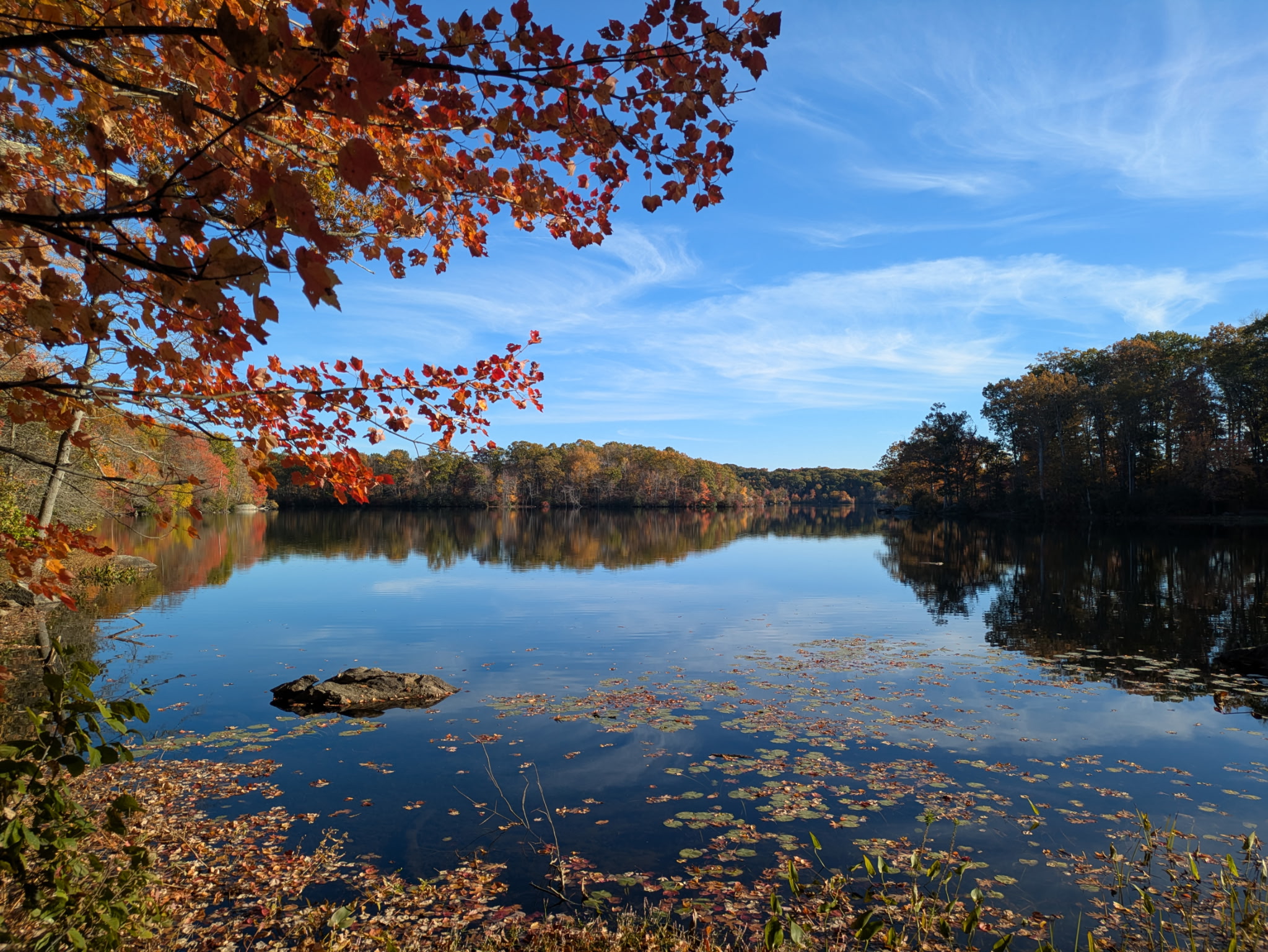
As a bonus I’ll add this picture of Olney Pond in Lincoln Woods our daughter Angela sent to us yesterday while visiting the park with her kids. About thirty miles north, we often visit the state park when we are blessed to help with runs to Heritage Ballet, a frequent occurrence as they prep for the upcoming Nutcracker performances. Ballet runs are an unearned fringe benefit of having granddaughters who dance so beautifully.
There is no easily explained reason why such things as New Hampshire villages, ponds in New England woods, and graceful ballerinas are beautiful, or why human beings are wired to respond so deeply to them. Grace seems closest to an explanation, but grace assumes a grace giver, and that may be too much of a leap for some. But it’s enough for me. Pure gratuitous gift beyond all expectations or deserves.
“I ain’t got no reason
Ain’t got no rhyme
Ain’t gettin’ no younger
And I’m runnin’ outta time
Runnin’ outta time
Ain’t gettin’ no younger
And I’m runnin’ outta time
Oh yes I am.
But I’m still climbing up the mountain side
Don’t count me out
Long as I got my heart and soul
I got everything
I got everything I need.” Keb’ Mo’, “Everything I Need”
Both the inevitability and annual resurrection are heralds of a new mystery for us to contemplate during pre-dawn awakenings to stoke the woodstove. Watching through the living room bay window past the roofs of my good neighbors and their sugar maples, the sky slowly pinkens and brightens through the dawn gloaming to expose the branches and dim the stars, Orion, and other early morning constellations. Even the brighter moon and planets eventually give way although they last a bit longer.
What does the autumn death to winter resting and spring revival teach me about my own mortality? Is spring beyond my resting? That is the only lasting unknown until it isn’t that we all must answer when we stop distracting ourselves with entertainments, welcome interruptions, and busyness from the question. Winter and the coming of it are the annual time of long thoughts.
“All of humanity’s problems stem from man’s inability to sit quietly in a room alone.” Blaise Pascal




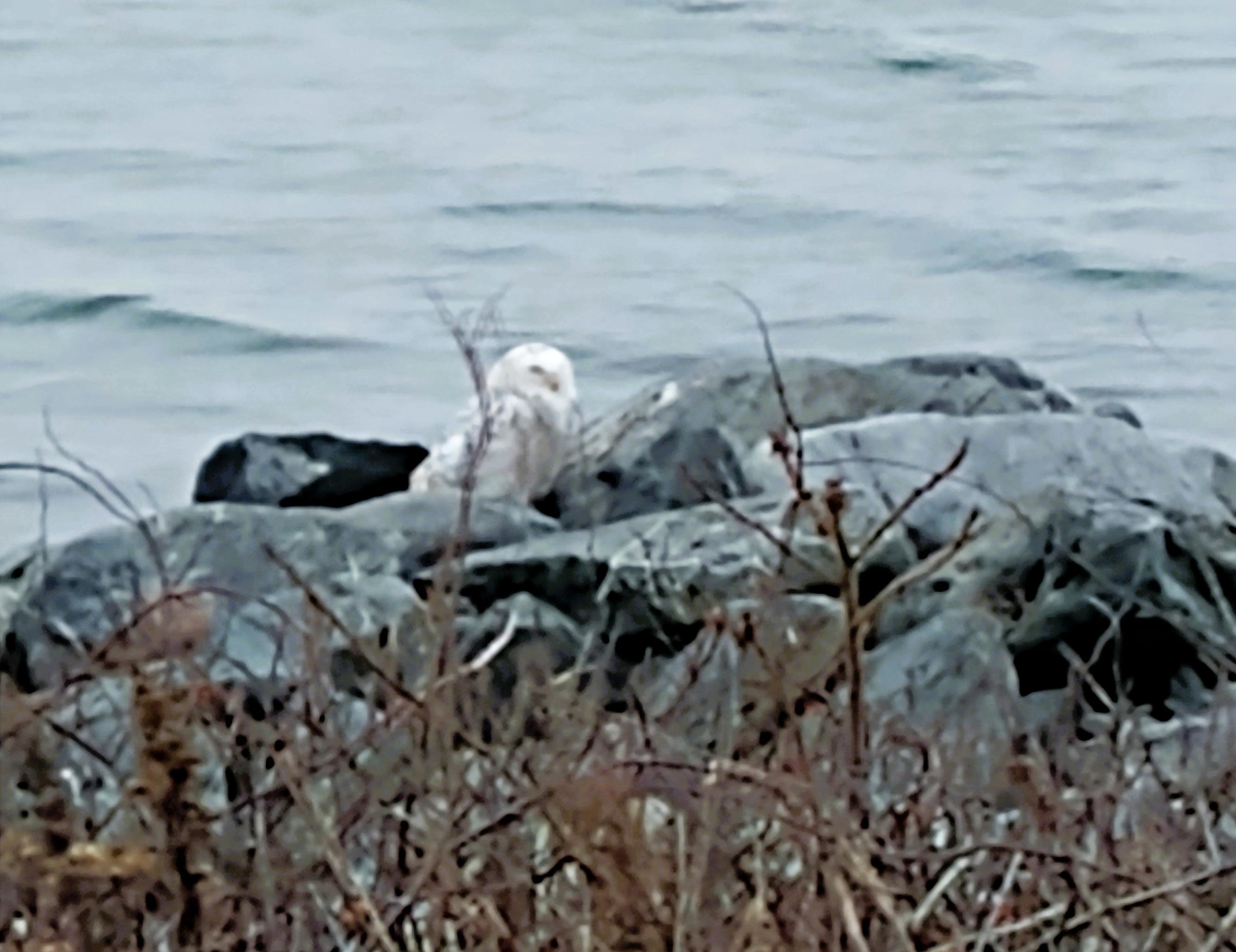
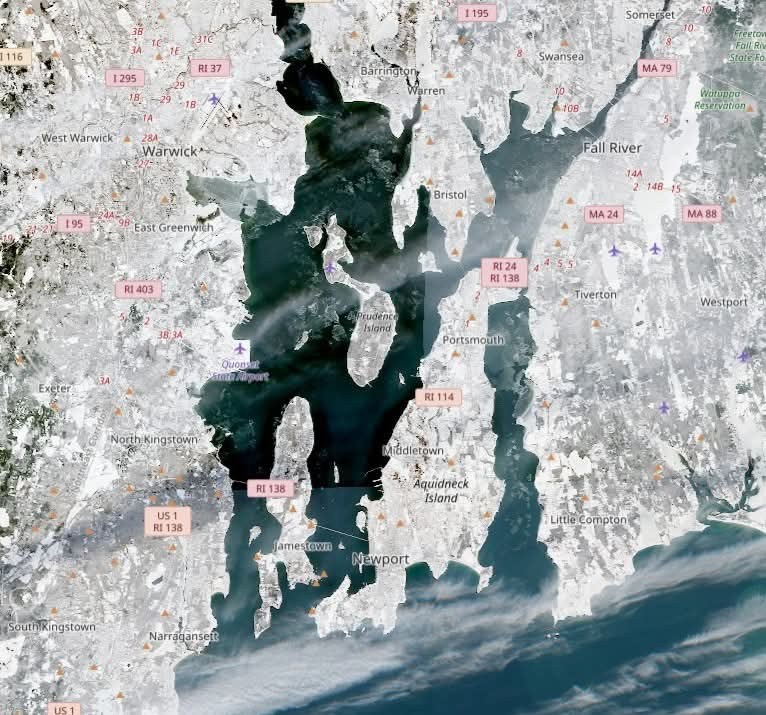


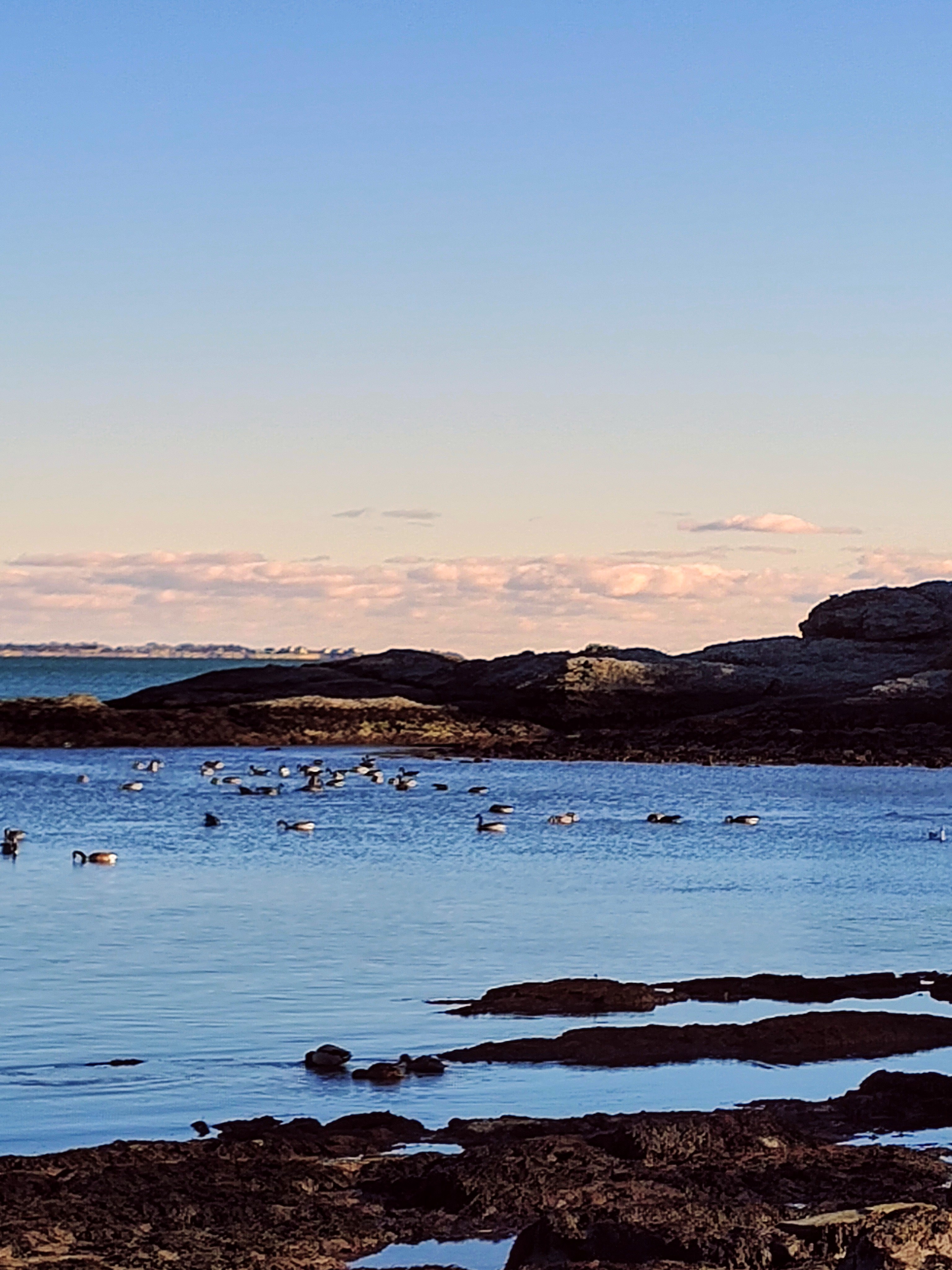
 Cold. Penetrating deep cold, but exhilarating. On shore wind as the air rises over the still warmer land, and the ocean air rushes in to fill the vacuum. Cleansing. Lung filling. Soul filling. A sharp breeze comes over the water picking up moisture and is scrubbed as it comes. The air streams around and over Bluff and Stratton Islands in the harbor, loading up from beyond the horizon where the earth curves out of sight, past the Azores, past the edge of the world. Cold, clean, pure, merciless, but without bias or favor.
 February is that sort of month. We’ve transited from the early bright lights and joy of the beginning of a New England deep winter in December to a grayer, resigned wait. The chores of winter are wearing and tiresome. The dust and mess on the floor from the woodstove are grinding me down; every evening ends with banking up a load of oak and maple for the night burn, and every morning starts around five with a few coals blown back to life with small wood and a hot start to keep the creosote buildup in the chimney to a minimum.
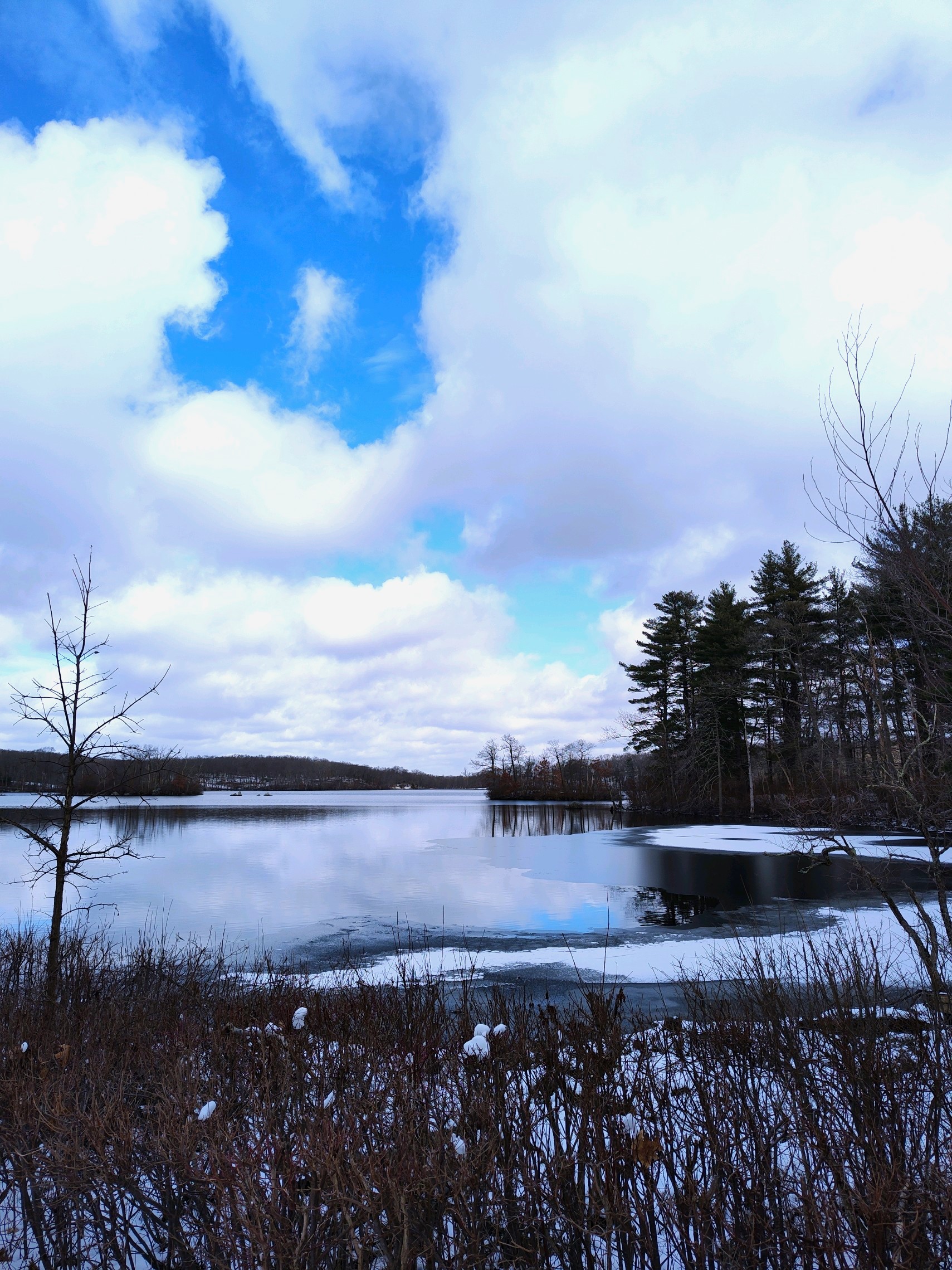 Late winter skies are startling blue, and the clouds look like they were painted with a pallet knife, almost unnatural. The sun is two months warmer than December, and with the windows up in the car the glare feels hot against our face. Hope is upon us, the promise of March and April unmistakable. Soon and very soon, the cascade of blooming will begin. First the crocuses, then the yellow profusion of daffodils and forsythia, followed by everything, the pink cherry blossoms, the white of the Bradford pears, magnolias, dogwoods, flowering crabs, azaleas, later the lilacs and rhododendron. The island’s splendor is persistent for months almost into autumn with the Montauk daisies.

